April, 10, 2022
"Analog" has become something of a buzzword in 2022. People are looking for alternatives to our hectic and often draining digial world. They want tactile experiences, experiences that encourage them to get out into the world. I'm no different. Despite being an early adopter of digital technology and the internet, I've been feeling an increasing level of nostalgia for the years prior to social media, cellphones and our near-constant screen use. Screen use is common topic with friends and family these days, and the question of how to get "offline" more and interact with the real world is top of mind.
My Journey from Film to Digital and Back Again
Growing up through the 80's and 90's, I was very familiar with film cameras, be they point-and-shoot, instant or manual. It wasn't too long into the 2000's that I bought my first digital. Soon after came a Nikon D80 and film was offically a thing of the past. Fastforward now to 2021. I was searching for a different experience than what my cell phone or digital camera had could provide. Taking photos had become boring, almost utilitarian. It just wasn't fun anymore. I started researching cameras, wanting an everyday camera that was easily portable, capable, and most of all, fun to use. I was looking for an “experience”. I wanted to rediscover my love for photography.
Hours of online research later, I decided that the Fujifilm X100V checked all of those boxes for me, and it still does. It's with me most days and has been an absolute joy to use. It has the right amount of digital features but with analog style controls reminiscent of those found on vintage mechanical cameras.
While using my X100V, I quickly learned about Fujifilm's film simulations that emulate old film stocks from companies like Kodak, Fujifilm, Ilford, Agfa, Cinestill, and others. While most modern cameras have features like this, Fujifilm simulations look amazing and are surprisingly accurate. I went down a rabbithole trying out all the different film stock simulations and was immediately hooked. There are even websites like https://fujixweekly.com/ that offer “film recipes” to further try different film stock simulations.
It's not surprising the X100V got me thinking about film again. Why had I stopped using film in the first place? Like most people, the primary reasons were likely convenience and price. When digital photography came onto the scene, photographers no longer had the wait and cost associated with getting film developed. Digital photography was a game changer offering instant gratification, control, ease-of-use and the ability to quickly share images online. Why would anyone go back?
The Zen of Film Photography
All forms of photography can be a creative journey, from digital to film, from highly technical cameras to the most simplistic point-and-shoot. It’s primarily the process and overall approach that differs. With digital photography, I found I was taking a ton of photos, even when I tried to limit myself. It’s very easy to take a photo, preview it, adjust, and take another. When I’d finish shooting, I’d then upload dozens, if not hundreds of photos into my editing software. While the flexibility is great, this approach can also have drawbacks. I found I was focusing far too often on the end result rather than enjoying the entire process. I was having fun shooting digital, but I still felt I was missing something.
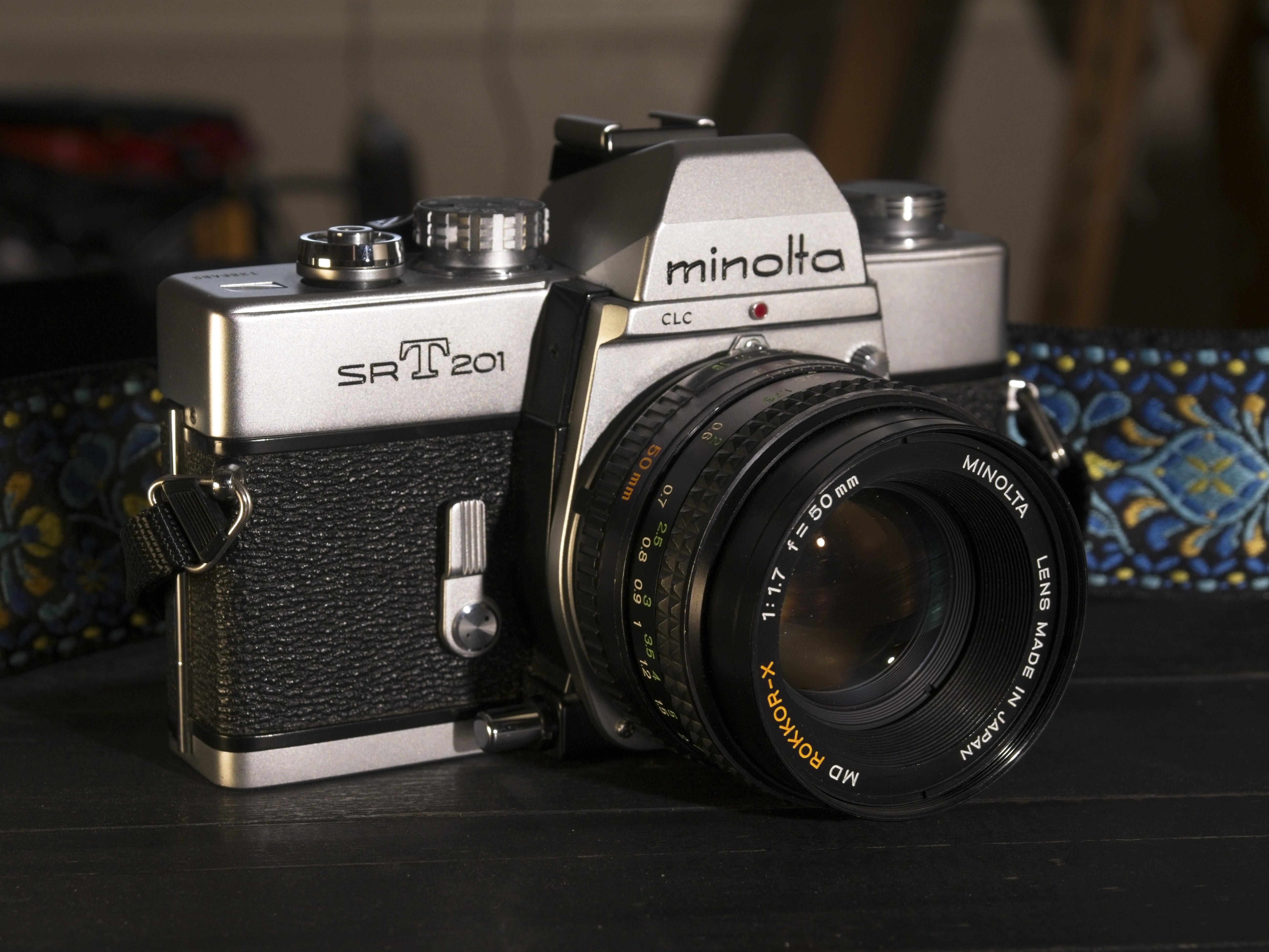 Finally, I said to hell with it and decided to take the film photography plunge. I bought a used Minolta SRT-201 35mm SLR with a 50mm lens. On my first outing, I loaded it with Ilford HP5 400 black and white film. To my relief, this late 70’s vintage tank-of-a-camera actually worked! I walked around a Seattle neighborhood testing out the light meter, enjoying the noise the shutter made and giving the film advance lever a satisfying crank with each photo.
Quickly, I noticed how different my relationship with this camera differed from my X100V. The Minolta is an all manual camera, meaning the user controls the aperture, shutter speed, manual focus and the film stock determines the film speed (ISO in digital terms). Ilford HP5 400 film allows for 36 exposures, a good amount but restrictive enough to slow me down so as to not waste film. I found myself considering every shot, thinking about how the light would affect the exposure, and taking my time to get the focus right. Most of all, I was enjoying the challenge.
Then came the wait. I was pretty sure I had taken some decent enough photos, but I wouldn’t know for sure until I got the film back from the developing lab. The anticipation was palpable as I waited for the call letting me know my film was ready. When I finally saw the results, I was amazed at how the photos looked. There was a sort of dreamy, gritty quality to them that didn’t exist in a lot of my digital work. I was hooked! I loved the entire process, the anticipation, the feeling of accomplishment and the look of the images. I wanted more!
It’s now several months later and I’ve shot multiple rolls of film. My results aren’t always perfect and I’m learning the pros and cons to certain film stocks. Some are incredibly grainy, some have wild colors, some are good for landscapes while others are better for portraits. I’ve since picked up another lens, a 28mm for wide angle shots, a Holga120 toy camera that takes bizarre photos with a strange dreamy quality, and I’m now considering trying out large format photography and developing the film myself.
Are there downsides? Absolutely. Film and developing can get expensive, most film cameras aren’t weather sealed, and one can’t switch film stock without using an entire role first. The last happened on a trip when I found myself wanting color, but still had half a roll of black and white in the camera. This is where digital comes back into the picture (no pun intended). I still use my beloved Fujifilm X100V for a daily camera or when there might be questionable weather. Once I have a location, subject or project in mind, I get out the film camera. The two formats actually compliment each other, filling different rolls (Ok, that one was intended) in my photographic journey.
If you’ve never tried a film camera, I highly suggest giving them a shot. You might find something special, even magical about the process and the photos you get from one.
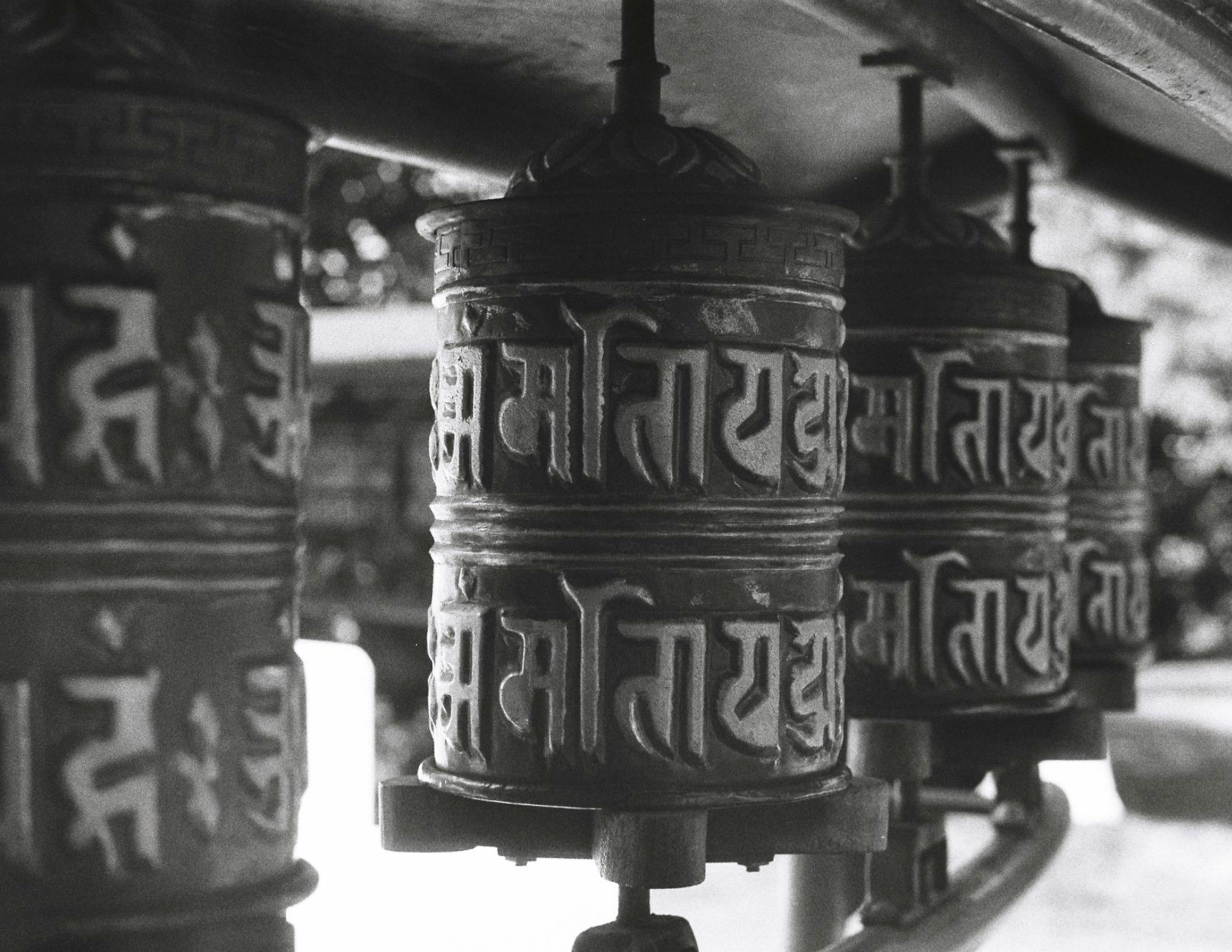
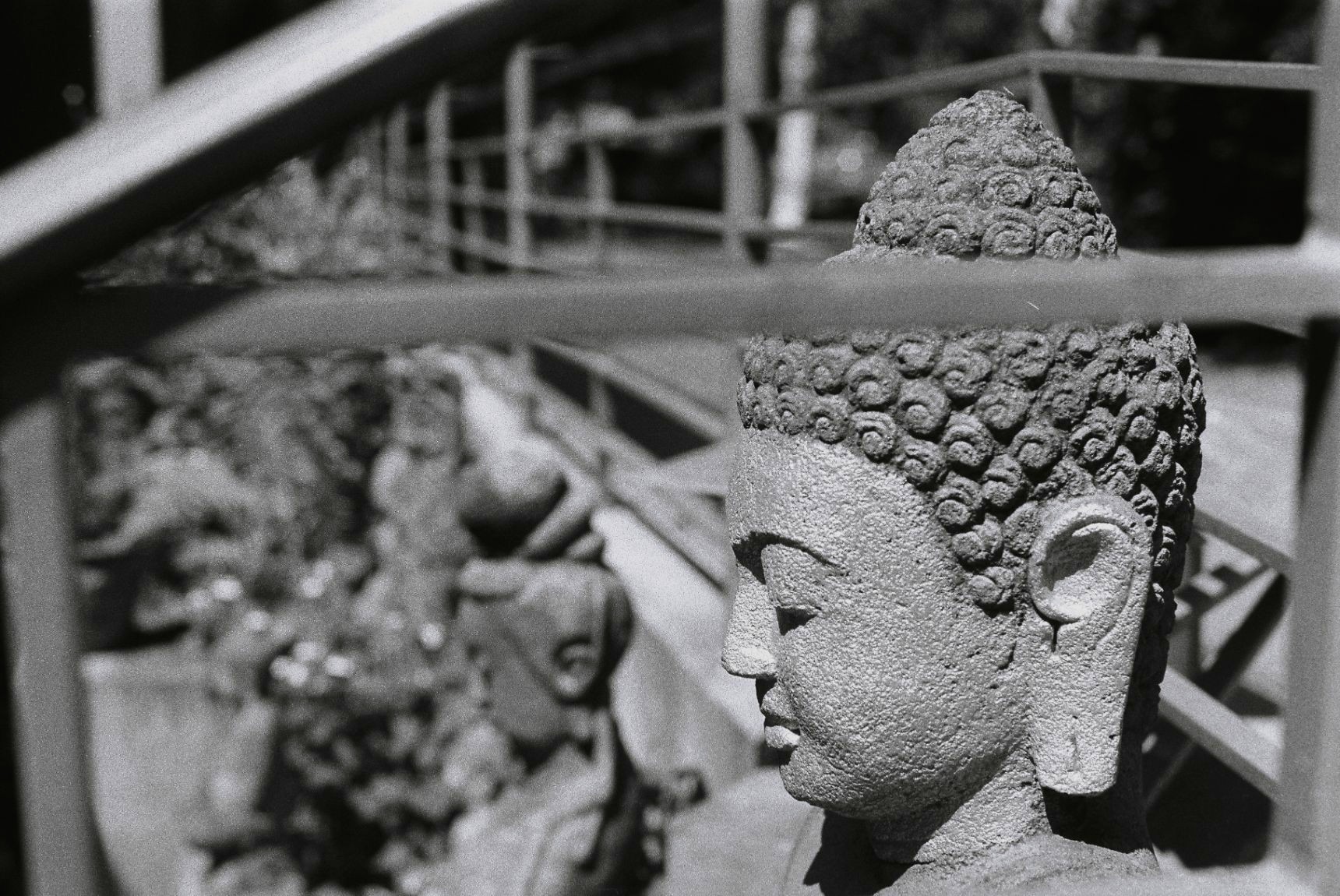
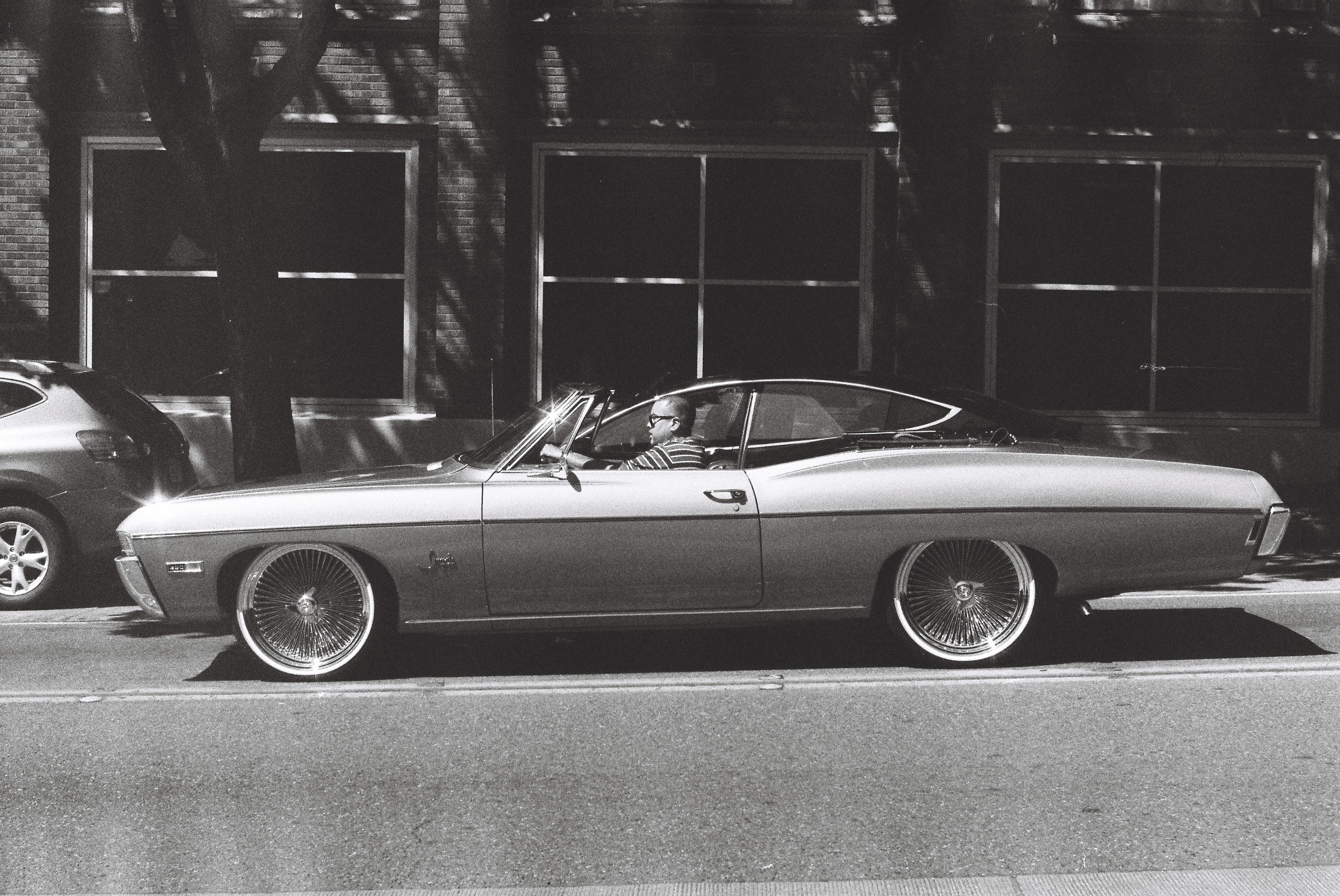
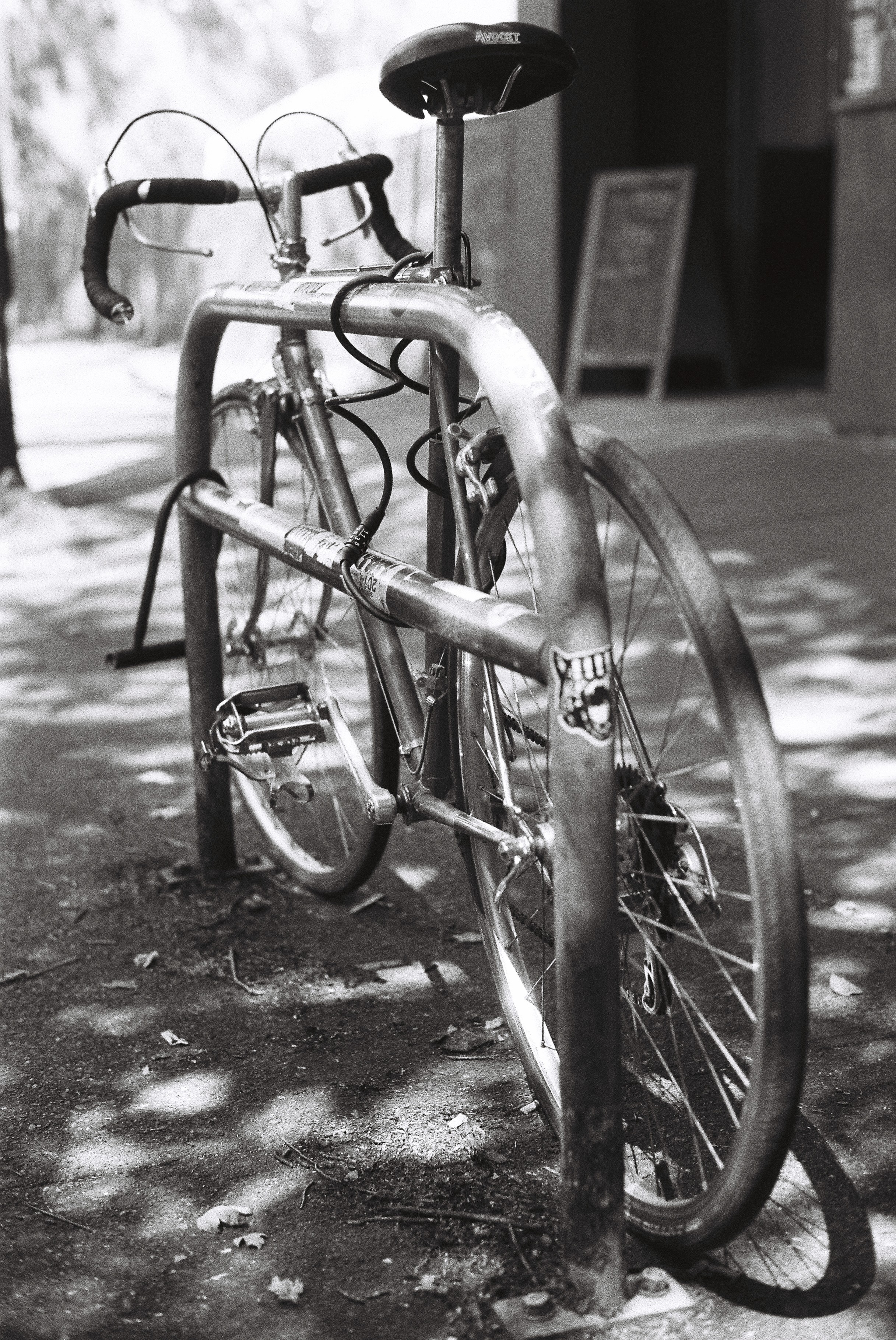
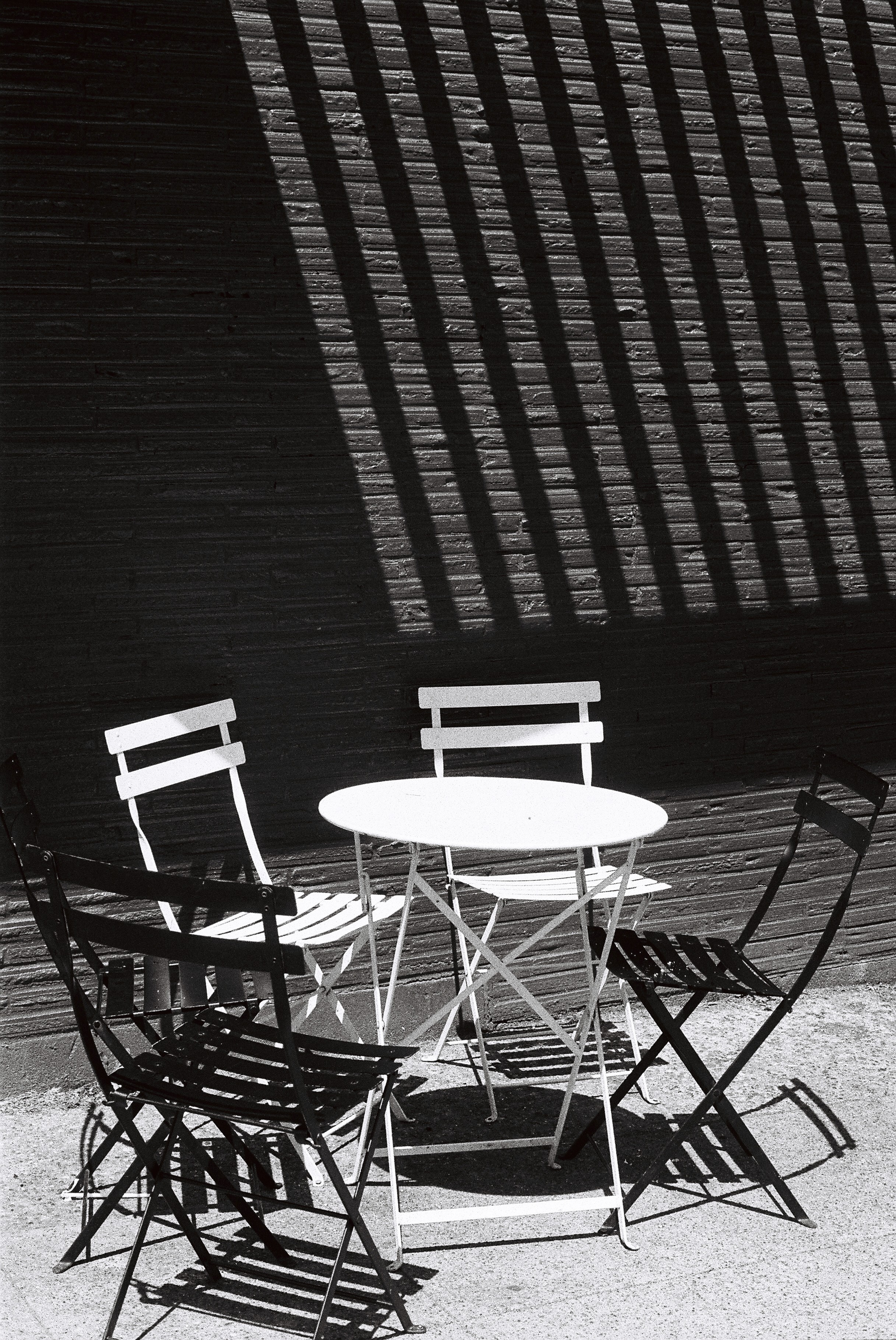
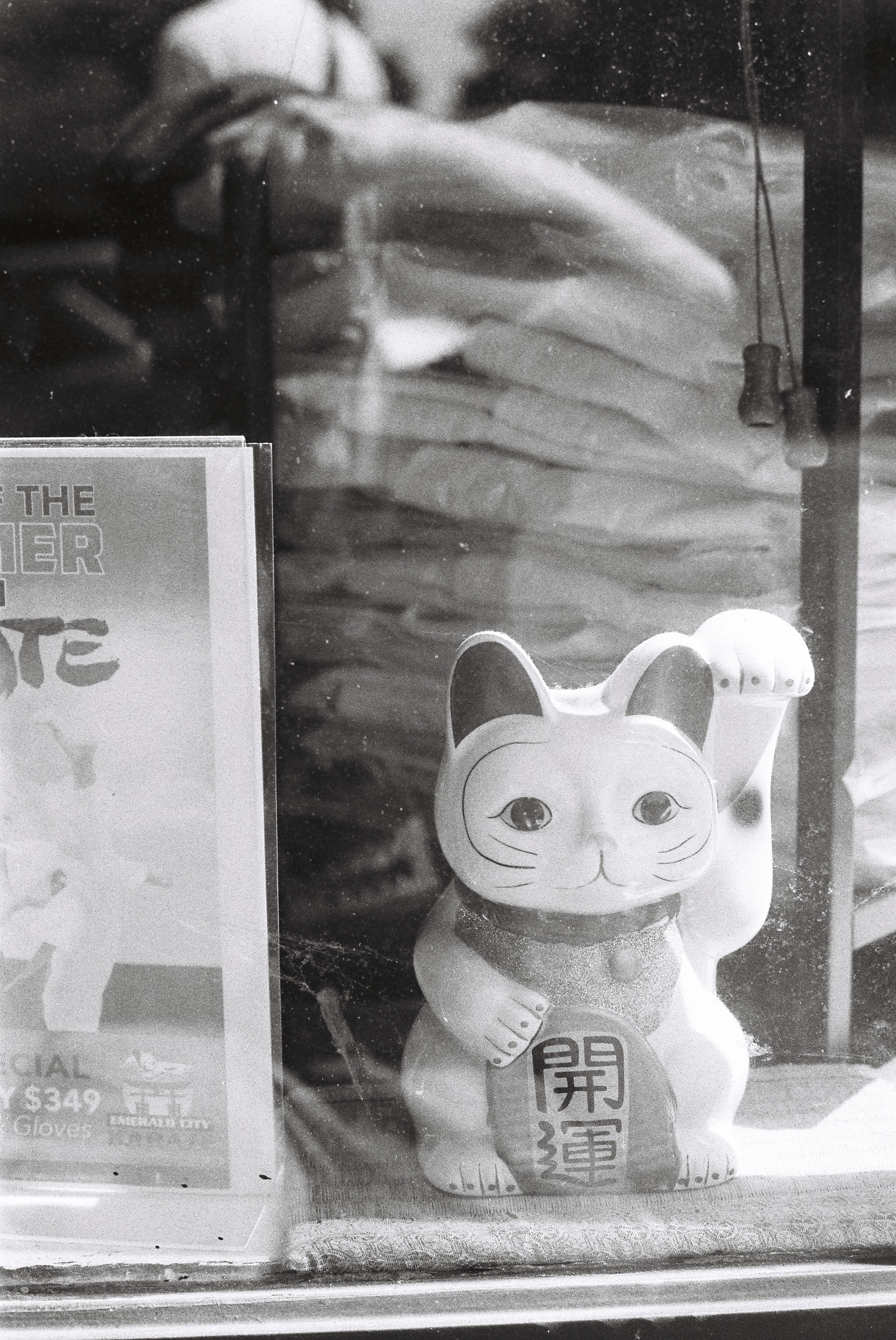
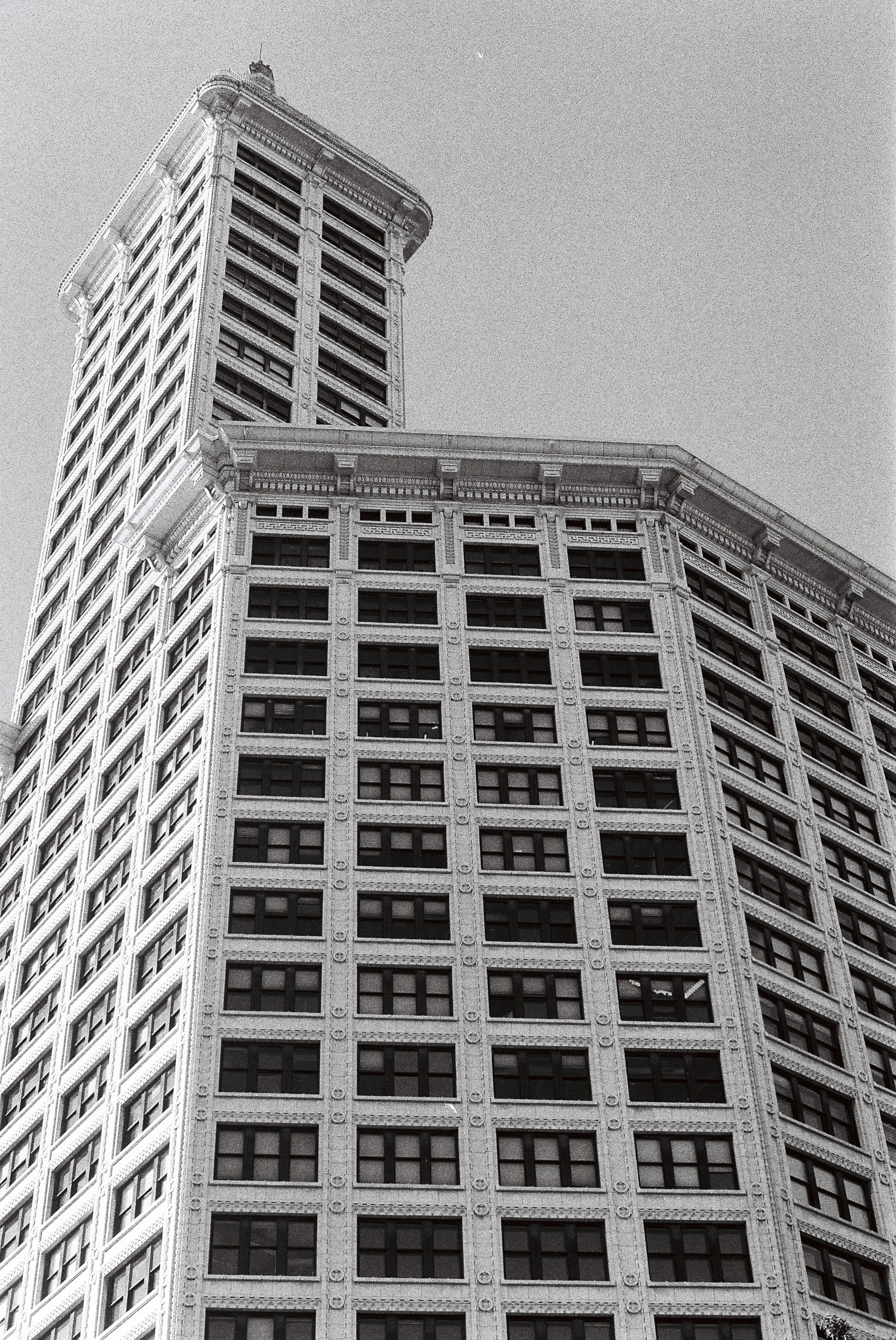
Here are several of my first images from the Minolta SRT-201: